
Liturgy
How we worship matters
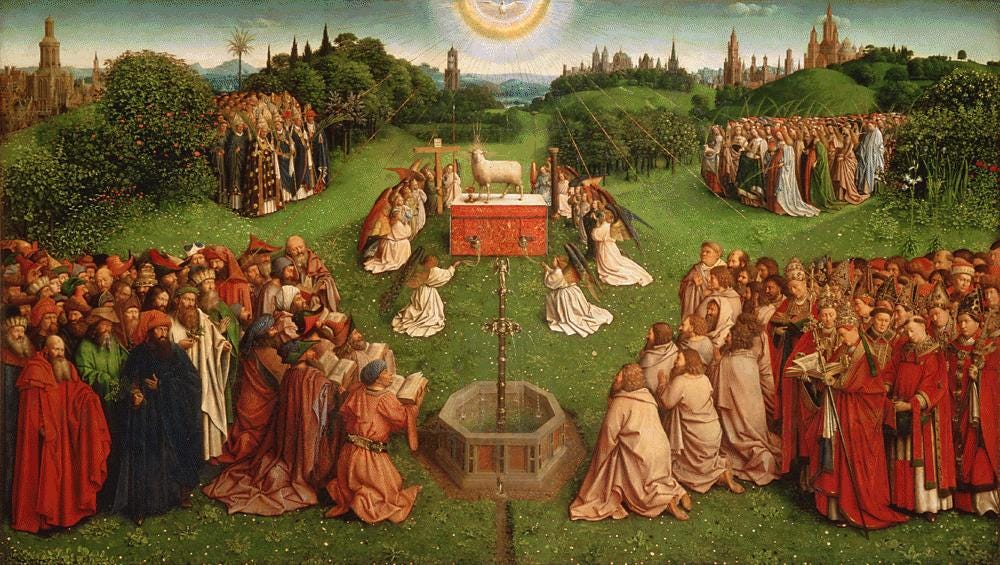
Every church has a liturgy. Attend any church for a month and you will have figured out what typically happens when they gather together. That is their liturgy. Liturgies can be deep or shallow, well thought out or hastily thrown together, but people are liturgical. When we gather and do things, we tend to do them the same way repeatedly.
I came into church in the mid-1980's when the "contemporary worship" movement was surging among protestants. There was a big push to be contemporary, spearheaded by well-known megachurches like Willow Creek Community Church near Chicago and Saddleback Community Church in Orange County, California. It was pushed as a way to be relevant and engage the culture. If we just get the music right, everyone will come.
As a young protestant pastor, I settled into my first church and adapted to the “liturgy” that was present. The place I found myself less comfortable was conducting funerals. I conducted a fair amount early in my tenure, but I had only attended 2 or 3 growing up. I could craft a sermon for the occasion, but the other pieces, especially what to say at the committal at the gravesite were not intuitive to me. I purchased a couple of "minister’s manuals" looking for assistance, but they were not particularly helpful.
Then one day, searching the shelves of a Christian bookstore, I found a small grey leather volume. The Book of Common Prayer. I looked at the table of contents and saw it had some burial services. I read the prayers at the committal. "Ashes to ashes, and dust to dust." This seemed to be what I was looking for. I bought it and quickly started using chunks of it for funerals. It just felt right.
There things stood for the next ten years or so. I joined the Army and became a chaplain. I soon found myself in charge of a service for soldiers in basic training. I had the freedom to do whatever I wanted. I added more Scripture to my service because I reasoned what the Scriptures said was more important than whatever I may have to say. I started with the lectionary1, but eventually just used lectionary-like readings to fit the topics I felt basic trainees needed.
When I deployed to Iraq, I was again in charge of a chapel. We had a Catholic priest who would visit our forward operating base about once a month, but I was the only option most Sundays. I offered communion weekly because I knew I had some who came from traditions where that was the norm. I continued to use the lectionary, more or less, and I even introduced the Apostle's Creed on a regular basis. Pretty high churchmanship for an anabaptist.2
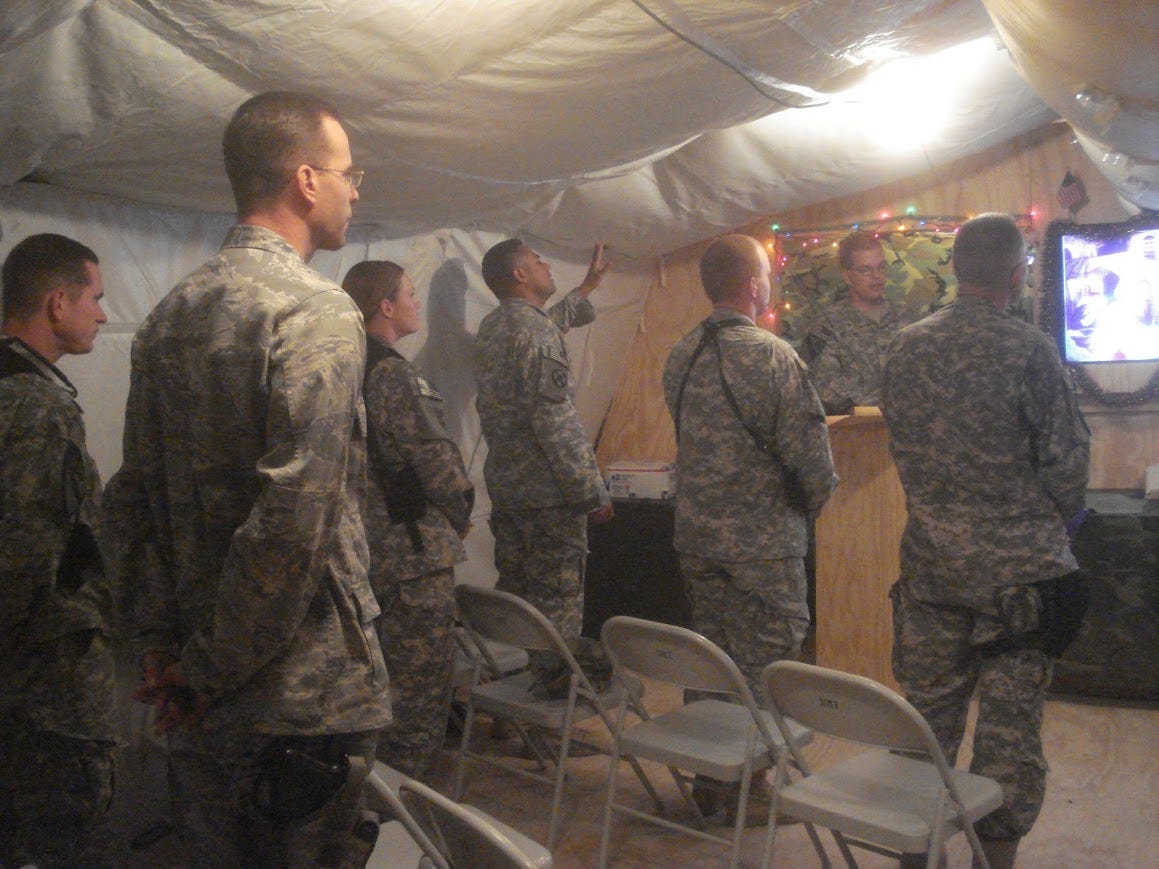
When I returned stateside, I felt out of place in the services I was attending. Something seemed to be missing. A lack of transcendence was the best I could come up with to describe it. Services seemed overly focused on the here and now and not enough on the divine.
I was stationed with a chaplain who had become Anglican. He invited me to his service. I went and I was instantly hooked. Lectionary, Creed, communion, even a general confession. This was the well-rounded diet I had been longing for. Incense, vestments, this was something different, something that seemed more reverent.
I found that having a known, deliberate liturgy enabled me to be more engaged. When I could read along with the prayers, I could truly pray with the celebrant, I didn't have to mentally screen what he was saying. It enabled me to walk into church and, for the most part, know what to expect.
I have found that good liturgy is like a concert by your favorite artist. It enables people to come together and all participate because they know what's coming, and by and large, that's what we want. Even those with more spontaneous temperaments cheer at a concert when the band plays their favorite song. It’s a song they know so well that they don't need anyone to play it, because they can sing it all by themselves, but it is made the sweeter for being surrounded by like-minded people.
Good liturgy is fitting for the worship of God. A trend I have noticed across all kinds of situations is that when things get serious, things get liturgical. Weddings are a prime example. It’s a big day, and it signifies a life-long commitment. They are planned and rehearsed. I am sure improvised weddings exist, but I can’t imagine having one.
Worship, rightly understood, includes sacrifice. Sacrifice is serious. It is not something we do casually. Just imagine if on Sunday, your pastor brought a lamb to the altar and killed it. How would that change the way your church conducted service? There would be a way to do it and a way not to do it. The gravity of the act would demand such constraints.
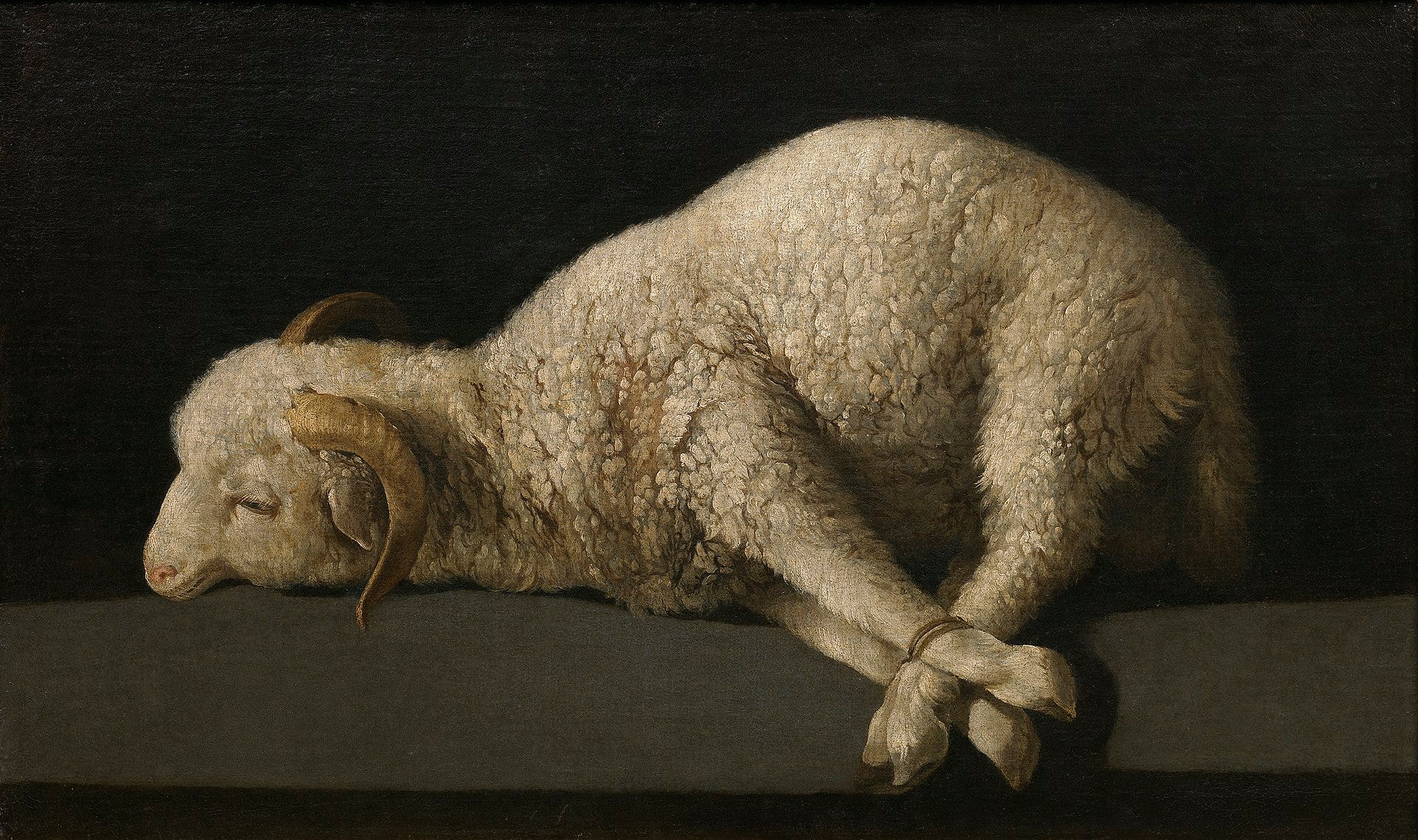
The Mass is a sacrifice. It is not a re-sacrifice; it is a participation in the one sacrifice of Christ on the cross. It is a participation in the upper room when the priest acts in persona Christi and proclaims, “This is my body; this is my blood.” This is serious. It’s life-altering if we understand it.
It seems reasonable to have a prescribed liturgy, a liturgy that we don’t get to toy with. After all, Jesus said “Do this in remembrance of me,” not, “Here’s an idea, maybe you can work it in, or do something kinda like it, whatever.”
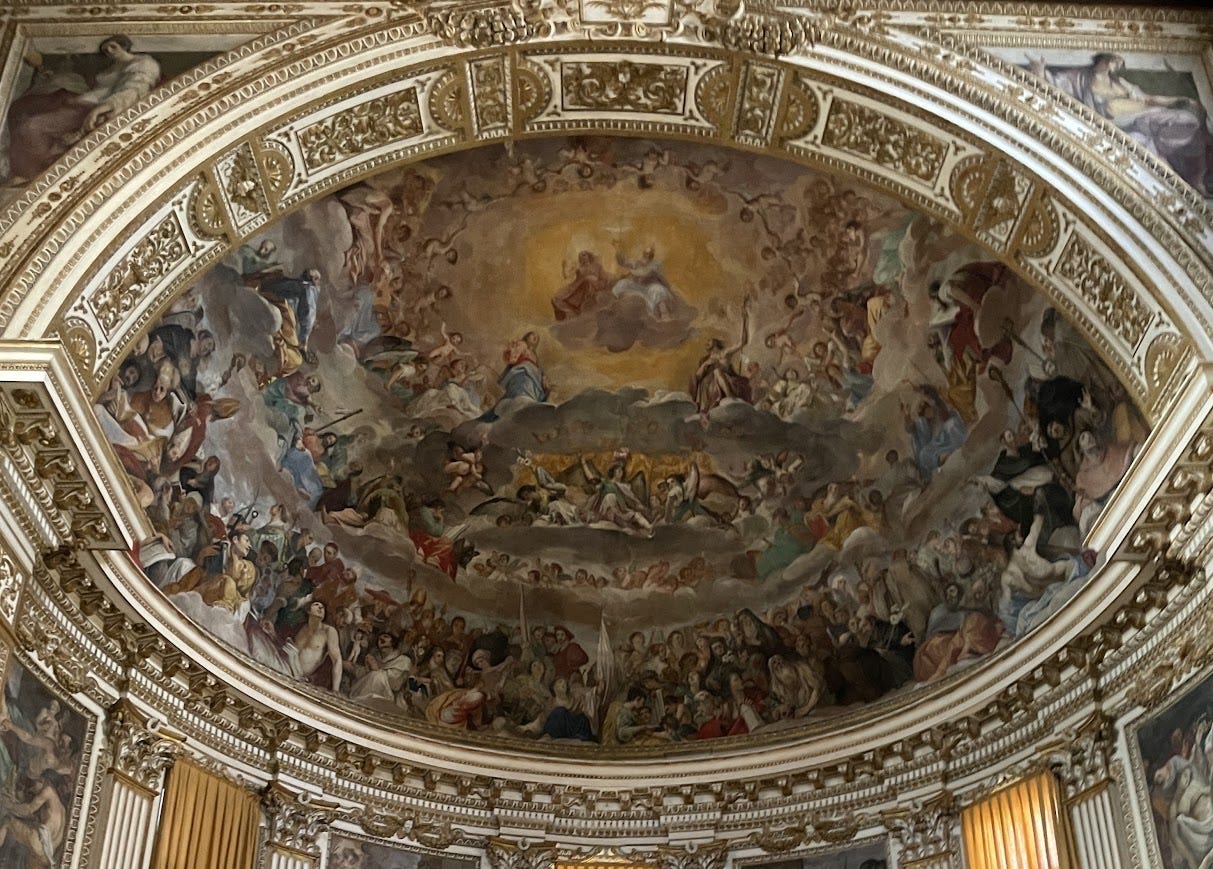
Liturgy also gives us historical continuity. The Mass has looked pretty similar to what we see today since the earliest records, in the early second century.3 When we gather around the altar, we stand not just with those who happen to be present with us in a particular building at a particular time. In a real way, we stand with all those who have stood in our place throughout time and around the world. We believe in the communion of the saints. The liturgy is an aid to experience that truth.
Grave & peace,
Chris
We’ll dig more into the lectionary next week, so stay tuned!
Actually, my time in the dessert was the end of my anabaptist time.
I acknowledge there is significant angst in sections of the Catholic world over the Novus Ordo vs. the Tridentine Mass, but I’m not digging into that here.